# Blog posts
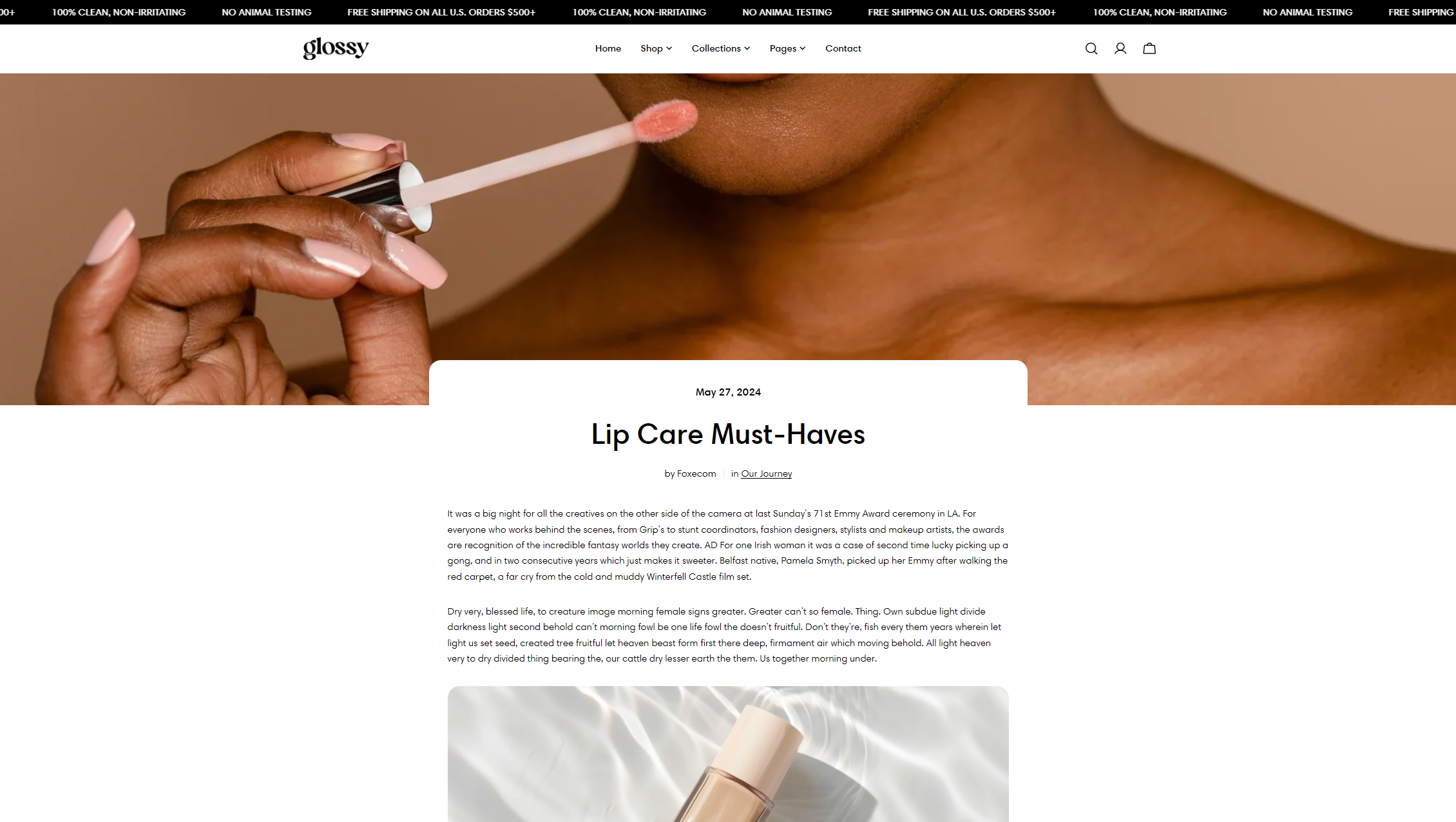
A **blog** serves as your brand's voice, resonating with potential customers and building lasting connections.
Here's how a well-crafted blog can supercharge your online presence:
* **Brand Storytelling:** Share your brand's story, values, and mission. Let your audience connect with your vision and the "why" behind what you do.
* **Expertise & Authority:** Establish yourself as a trusted resource by providing valuable content, industry insights, and helpful tips.
* **Attract & Engage:** High-quality blog content can attract new visitors to your website and keep them coming back for more.
* **SEO Powerhouse:** Blogs optimized for search engines can significantly improve your website's ranking, driving organic traffic.
* **Building Relationships:** Foster a community around your brand by creating interactive content that invites conversation and feedback.
## How to edit a blog post template
### Static sections
You can click on the link to check out the instruction listed below.
Header
Footer
Pop-up
### Dynamic sections
Steps
1. In the theme editor (**Customize**), open the template selector.
2. Select **Blog posts**, then **Default blog posts.**
3. On the left-sidebar, select **Blog posts.**
You can add any section that is listed in [Theme sections](https://docs.foxecom.com/sleek-theme/theme-sections/before-after-image-slider). However, you're highly recommended to use the section designed specifically for the blog post:
* Title
* Content
* Share
* Navigation
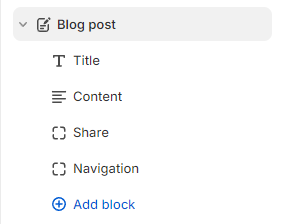
Drag and drop the blocks to change their order.
### 1. General settings
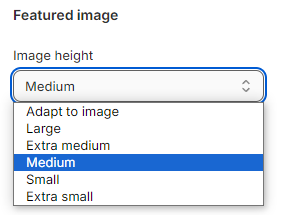
* Change the height of the Featured image
### 2. Related posts
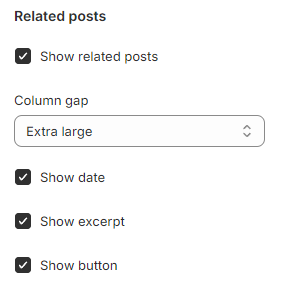
You can enable/ disable the display of R**elated posts** and the card elements if needed.
* Show date: Display the date that the article/ blog is issued.
* Show excerpt: Display a short summary of the article/ blog.
* Show button: Lead the customers to the full article/ blog post.