# Header

The header is a content block at the upper part of your website that appears on every page. It usually contains the logo of a store, the main navigation menu, and other elements such as a search bar, shopping cart icon, etc.
The header plays a vital role in branding your site, helping visitors navigate, and displaying your most important pages.
You can freely customize your header to suit your business needs by adding your logo image, choosing the main menu, and other addons using **Megamog** theme.
## Logo settings
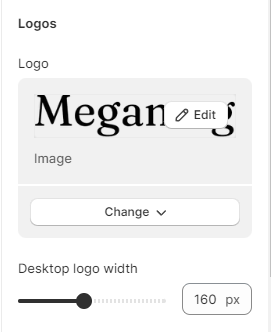
Add a logo in the header to grab visitors' attention and set the tone for your brand. The recommended image size and format is 200x80px .png with a transparent background.
Steps
1. In the theme editor **(Customize)**, click **Theme Setting > Logos.**
2. Select image under **Logo.**
3. **Save.**
## Design settings
Change the position of the logo and menus based on your preferences.
### **1. General**
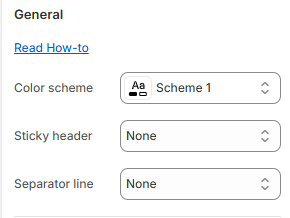
Change style color for Header.
Adjust sticky header(none/on scroll up/always).
Add separator line (none/bottom/middle/bottom & middle).
### **2. Header icons**
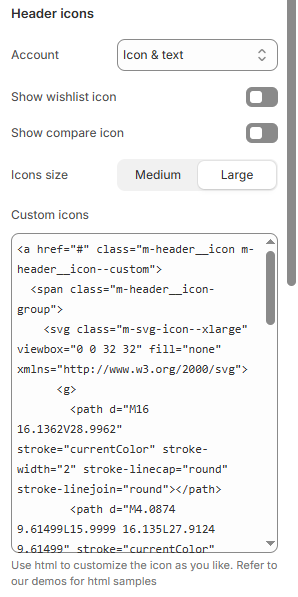
Provide settings to the header icons such as account, wishlist, compare and custom icon by enabling the suitable checkboxes.
For custom icons, you can either add more other icons in header.
### 3. Search settings
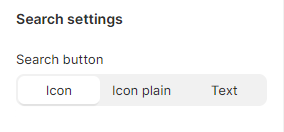
Show search button with 3 design: icon, icon plain and text.
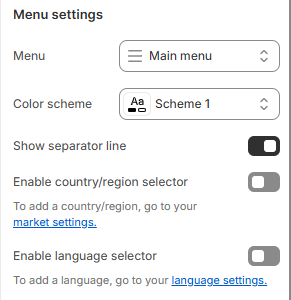
### 4. Menu settings
This section lets you display your desired menus along with the logo.
Provide settings to the menu such as country/region, language by enabling the suitable checkboxes.
To add, remove, or edit menus in your Shopify store, see [Editing menus](https://docs.foxecom.com/megamog-theme/getting-started/mega-menu).
Regarding the **currency selector** and **language selector**, you must configure them in Shopify admin for them to show on the front end.
To sell in multiple currencies, you need to have [Shopify Payments](https://help.shopify.com/en/manual/payments/shopify-payments) enabled in your online store.